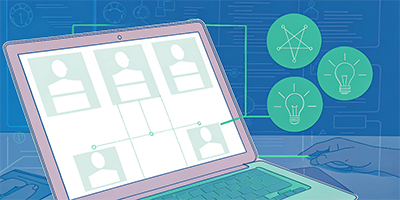
A recorded meeting is a valuable asset. It holds strategic decisions, confidential discussions, and key takeaways that drive projects forward. But without the right security measures, it can become a liability. Data breaches, unauthorized access, and compliance risks are real concerns. Organizations must take proactive steps to ensure their recorded meetings remain private, secure, and compliant with data protection regulations.
Why Meeting Security Matters More Than Ever
With the rise of remote work and hybrid teams, more organizations rely on digital meetings for collaboration. Platforms like Zoom, Microsoft Teams, and Google Meet offer built-in recording features, making it easy to capture important conversations. However, storing and sharing these recordings without proper security controls can expose businesses to cyber threats and legal risks.
- Unauthorized access: If recordings are not properly restricted, sensitive information may fall into the wrong hands.
- Regulatory non-compliance: Many industries must follow strict privacy laws such as GDPR, HIPAA, or SOC 2, which regulate how meeting recordings are stored and shared.
- Internal data leaks: Even within an organization, not all employees should have access to every recorded discussion. Failing to set permissions can lead to unintentional data exposure.
A strong security framework ensures that recorded meetings remain an asset, not a risk.
Setting Up Secure Meeting Access Controls
The first step in securing recorded meetings is managing who can access them. Not every participant needs full access, and businesses should apply the principle of least privilege to meeting data.
- Role-based access controls (RBAC): Limit viewing, editing, and sharing permissions based on user roles. Executives, legal teams, and department heads may need full access, while other employees may only require key highlights.
- Multi-factor authentication (MFA): Platforms that store meeting recordings should enforce MFA to prevent unauthorized logins.
- Restricted sharing settings: Ensure that recordings are only accessible to approved individuals or teams. Avoid using public links or email attachments for sharing sensitive files.
Encrypting and Storing Meeting Recordings Securely
Encryption is one of the most effective ways to protect recorded meetings from unauthorized access. Organizations should use secure cloud storage solutions with end-to-end encryption to prevent data interception.
- Cloud-based storage with encryption: Services like Google Drive, OneDrive, and Dropbox Business offer encryption features to protect stored recordings.
- Zero-trust architecture: Implement security frameworks where no one is trusted by default, ensuring that every access request is verified before granting permissions.
- Avoid local storage: Storing recordings on personal computers or external drives increases the risk of data loss or breaches.
AI-Powered Meeting Summaries for Secure Access
Not all employees need access to full recordings. AI-powered note-taking tools like Summarly.io provide an efficient alternative by summarizing meetings and extracting key action items while maintaining security.
- Automated summaries reduce full recording access: Instead of sharing entire recordings, Summarly.io generates concise meeting highlights.
- Secure, role-based distribution: Summaries can be shared with only those who need them, reducing the risk of data leaks.
- Audit trails for meeting insights: AI-generated meeting notes allow businesses to track discussions without exposing entire video files.
Monitoring and Auditing Meeting Recordings
Security is not just about preventing unauthorized access; it’s also about monitoring how recordings are used within an organization.
- Audit logs and access tracking: Platforms should log every instance where a meeting recording is accessed, modified, or shared.
- Automated alerts for suspicious activity: Organizations should enable real-time alerts if an unauthorized user attempts to access a restricted file.
- Retention policies for automatic deletion: Keeping old meeting recordings indefinitely increases the risk of exposure. Set policies to automatically delete recordings after a specific period based on compliance needs.
Compliance with Data Protection Regulations
Many organizations are subject to industry-specific regulations regarding data protection and privacy. Meeting recordings often contain personally identifiable information (PII), intellectual property, and internal communications, making compliance a critical component of security.
- GDPR (General Data Protection Regulation): Requires organizations to obtain consent before recording and storing meetings. Users must also have the right to request deletion of recordings containing their personal data.
- HIPAA (Health Insurance Portability and Accountability Act): If meeting recordings include patient information, they must be stored in HIPAA-compliant systems with strict access controls.
- SOC 2 (System and Organization Controls 2): Companies handling sensitive customer data must follow SOC 2 guidelines to ensure secure storage and management of recordings.
Failure to comply with these regulations can result in legal penalties, reputational damage, and financial loss.
Creating a Secure Meeting Culture
While technology plays a critical role in securing meeting recordings, employee awareness and training are equally important.
- Security awareness training: Employees should be educated on best practices for recording, storing, and sharing meeting data securely.
- Confidentiality agreements: Organizations should require NDAs or internal confidentiality policies for sensitive discussions.
- Zero-trust mindset: Encourage teams to treat meeting recordings as highly confidential assets, restricting access to only those who truly need them.
Strengthening Security with AI and Automation
As cyber threats evolve, AI-driven security solutions can enhance protection for meeting recordings. Summarly.io plays a key role by leveraging AI-powered automation to streamline meeting insights while reducing security risks.
- AI-driven compliance checks: Automated tools can analyze recorded meetings for compliance with data protection laws, flagging any risks.
- Smart access controls: AI can dynamically adjust access settings based on user behavior and security policies.
- Real-time threat detection: AI-powered security monitoring can detect unusual access patterns and take proactive measures to prevent breaches.
Protecting Your Meeting Data
Meeting recordings are powerful tools for collaboration and accountability, but only if they are protected from unauthorized access and security threats. Organizations must take a proactive approach by implementing robust encryption, access controls, and AI-driven security measures.
- Limit access to recorded meetings using role-based permissions.
- Encrypt and store recordings in secure cloud environments.
- Use AI-powered summaries like Summarly.io to minimize unnecessary access.
- Monitor, audit, and enforce compliance with security policies.
- Train employees on best practices for secure meeting management.
With the right strategies and tools, businesses can safeguard their recorded meetings while ensuring efficiency, compliance, and data integrity.